- PRC101 CHINA MAIN
- * Z101 MAIN Site *
- Obituaries101
- Accidents101
- FIRE101
- POLICE101
- Protect101
- MAGA101
- 101 MACAU
- > Instructions: Click any Keyword to Filter News, then Scroll Down:
- Hangzhou
- Qiantang River
- Jiangsu province
- Land of Fish and Rice
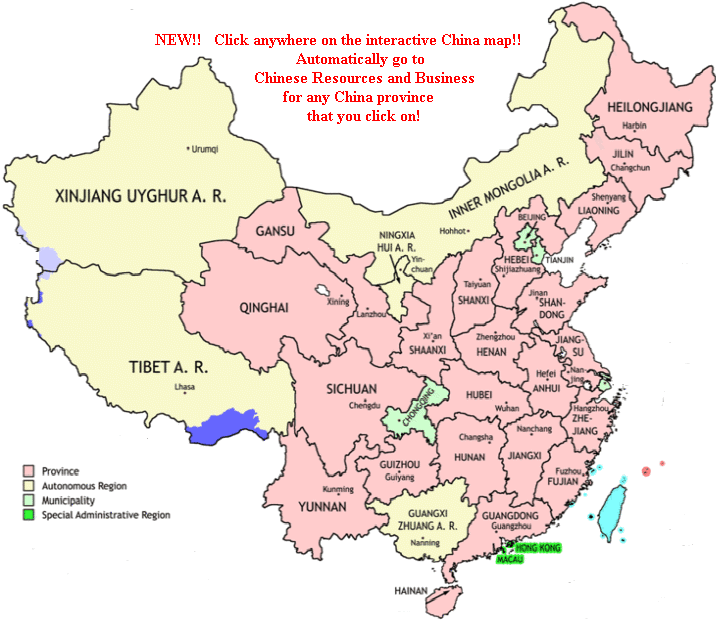
- China province
- Peoples Republic of China
- China
- Jiangsu Cities
- Nanjing
- Suzhou
- Wuxi
- Xuzhou
- Changzhou
- Yangzhou
- Lianyungang
- Huaian
- Zhenjiang
- Nantong
- Yancheng
- Taizhou
- Suqian
- Zhangjiagang
- Taicang
- Changshu
- Kunshan
- Wujiang
- Jiangyin
- Jingjiang
- Rugao
- Yixing
- Gaoyou
- Jiangyan
- Sichuan Earthquake
- Hangzhou Bay Bridge
- Haiyan County
- Cixi
- Jiangsu Business
- Jiangsu spirit
- Jiangsu Commerce
- Jiangsu Manufacturer
- Jiangsu Export Import
- Silk umbrellas
- Folding fans
- Jiangsu Services
- Electromechanical industries
- Textiles
- Chemical industries
- Food
- Construction materials
- Shanghai stock market
- Jiangsu stocks
- China Academy of Art
- Ningbo University
- Jiangsu University
- Shaoxing University
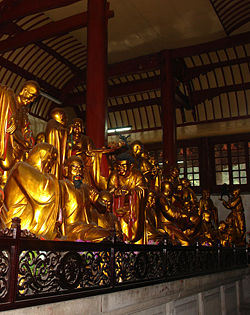
- Baoguo Temple
- Putuo Shan
- Qita Temple
- Tiantai Shan
- Zen Buddhism
- West Lake
- Yandang Shan
- Qiandao Lake
- Guoqing Temple
- Teahouses
- Teahouse History
- Teahouse Culture
- Han Chinese
- Mandarin
- Simplified Chinese
- Traditional Chinese
- Yueju
- Silk umbrellas
- Folding fans
- * Useful Websites:
- * Z101 MAIN Site *
- * PRC101 MAIN Site *
- Job1 Agency - Job Search
- New Cars 101
- Luxury Cars 101
- Exotic Cars 101
- Mustangs 101
- Internal Medicine 101
- Democrats101
- Republicans101
|
JIANGSU101.Com * Jiangsu Business, Industry * Jiangsu News and Resources * Visit Jiangsu, Travel to Jiangsu Filter= Qita-Temple Exact Time

|
Like us:  Follow
us: 
*Feature Site: NewCars101
|
 FIRE101 Fire Jobs